Before You Lease: The Hidden Tax Traps in Church and Nonprofit Facility Agreements
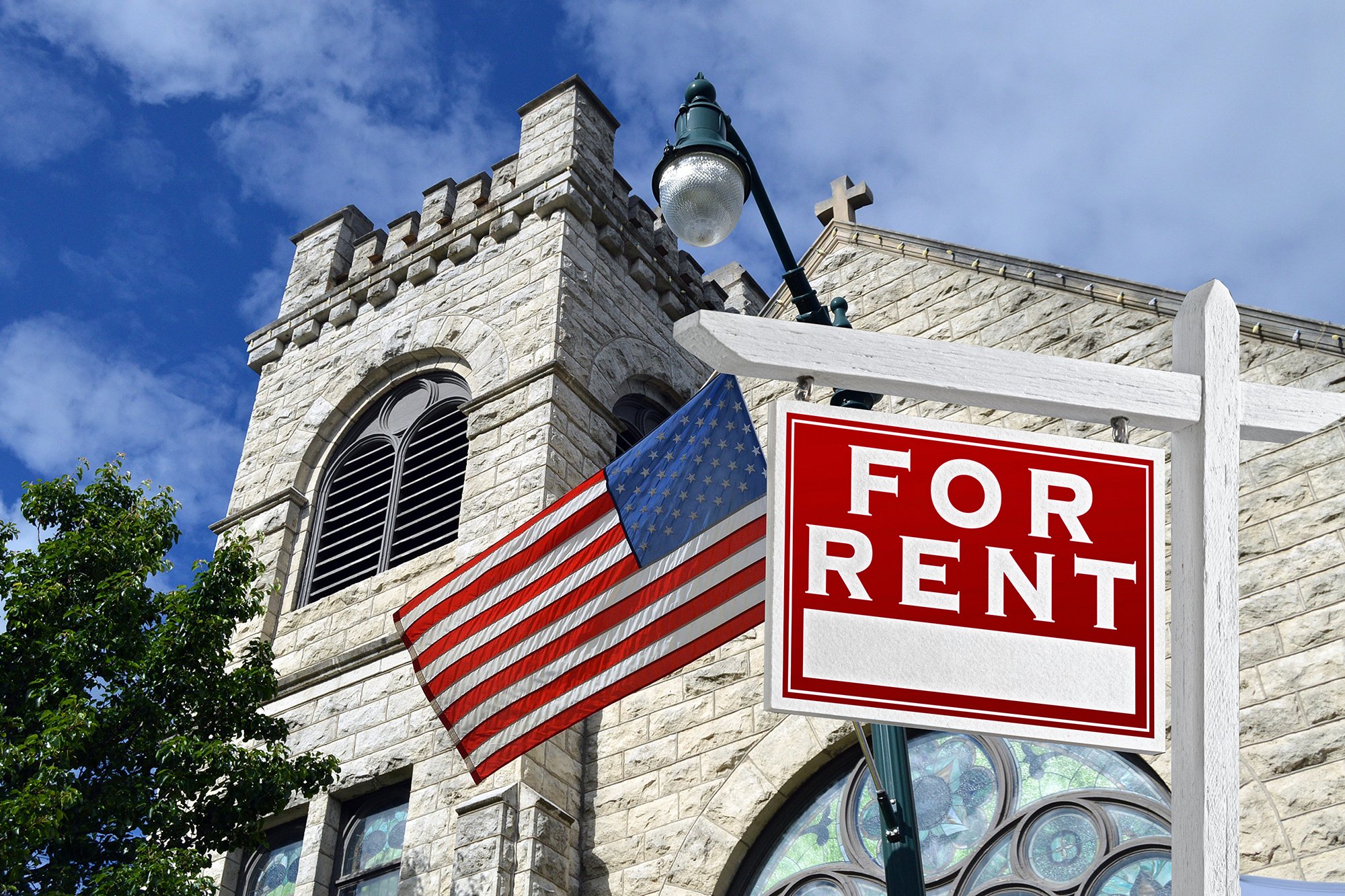
Get informed about leasing your facility and its implications for insurance, income taxes and tax exemption.
Watch the expert interview with Max Herr on renting and sharing your facility.
Article: What should facility use and lease agreements cover?
Get a free property and liability insurance checkup from Ministry Pacific
Introduction: Houses of worship, nonprofits and leasing facilities
Houses of worship and nonprofit organizations face critical tax and legal implications when leasing or sharing their facilities with outside entities. Despite the best intentions, unintended consequences can result from generating income through property use. Churches may receive attractive rental offers from cellular companies, battery storage operators, daycares, schools, and other organizations, but these arrangements can trigger federal income tax liabilities. Even more serious, they can result in the loss of local property tax exemptions if not properly structured and documented.
Key points
🏛️ Property Tax Exemption is the Primary Concern
Churches and nonprofits with 100% property tax exemptions may lose that exemption on any portion of property used for non-exempt purposes (such as for-profit tenants). A formula based on time of use and area percentage often determines what percentage of exemption is revoked, and this revocation remains in place until the non-exempt use ceases and a new exemption is approved.
💰 Debt-Financed Property Creates Federal Income Tax Liability
If a church has mortgage debt on its property, revenue from non-church/ministry sources is considered “unrelated business income” and is subject to a 21% federal corporate income tax on net income exceeding $1,000. This primarily applies to debt-financed properties; debt-free properties can still incur federal income tax liability for unrelated business income (such as bookstores, cafes, or other retail operations generally open to the public).
📋 For-Profit vs. Nonprofit Tenants Make a Critical Difference
Leasing to nonprofit organizations usually allows churches to maintain property tax exemption by converting “church” or “religious” property tax exemptions to a “welfare exemption” (if paperwork is filed correctly), while leasing to for-profit entities generally results in loss of property tax exemption for that portion of the property. The type of tenant fundamentally changes the tax consequences.
📝 Facility Use Policies are Essential Legal Documents
Churches must establish comprehensive facility use policies (among other operating policies) that:
Clearly define what activities constitute worship
Specify which outside groups can use facilities
Detail fees and deposits
Outline insurance requirements
Establish rules regarding alcohol, smoking, and other conduct standards.
These policies can help protect the church legally and financially.
⚠️ Administrative Paperwork Failures Can Trigger Unexpected Tax Bills
In California, for example, county assessors send annual notices asking whether property is still used for exempt purposes. Some counties assume no change has occurred unless notified by the property owner, while others request confirmation of continuing exempt use. Failure to return the exemption form in certain counties can result in automatic loss of property tax exemption and supplementary tax bills for thousands of dollars mid-year, even if the property is legitimately exempt. Each state and county differs, so ensure your forms are up to date and understand your responsibilities to avoid surprises.
🏠 Property Transfers and Name Changes Require Exemption Refiling
When property changes hands or when a church changes its incorporated name, the organization must usually re-apply for property tax exemption. Failure to apply for the exemption can result in unexpected tax bills. Even simple re-titling can trigger reassessment if not handled carefully. Better safe than sorry.
🛡️ Insurance Requirements Protect Both Parties
Long-term outside users of church facilities should be required to carry their own general liability insurance to protect the church's property and interests. Single-day events may qualify for one-day event coverage. Churches should verify that outside insurance certificates are legitimate by calling the insurance company directly, as fraudulent certificates exist.
📊 Incidental Uses Don't Trigger Tax Issues
Regular but incidental uses of facilities (such as weekly homeschool co-ops, AA/NA meetings, or similar gatherings) are typically not considered taxable income or property tax exemption violations, regardless of whether money changes hands, as long as they fall within the church's exempt purposes.
🔍 Verification and Documentation Are Critical
Churches should be able to obtain written opinions from county assessors about the specific property tax impact of proposed leases before committing to agreements. If an exemption is denied in whole or in part, churches must first pay the tax bill before appealing or litigating. Failure to pay the taxes diminishes your legal standing to challenge the assessment. If the exemption is ultimately granted, taxes that were paid will be refunded.
💼 Bylaws Must Be Current and Comprehensive
Churches should review and update bylaws at least every three years. Many, however, operate with bylaws that are decades old. Bylaws should clearly define worship activities, nonpublic meetings (such as business meetings), general business responsibilities of the board of directors and corporate officers, and refer to facility use and other operating policies. In addition to bylaws, organizations should also establish policies and procedures manuals governing details such as vehicle use, credit card management, pastoral compensation and housing allowance, expense reimbursements and personnel policy.
🏘️ Innovative Community Uses Can Maintain Tax Exemption
Houses of worship can develop affordable housing, senior housing, and other community benefit projects while maintaining property tax exemption by obtaining a welfare exemption and potentially establishing separate nonprofit corporations to manage the projects.
📞 Professional Consultation is Essential
Ideally, CPAs and tax advisors should have specific expertise in nonprofit accounting and church property tax issues. Many general accountants lack this specialized knowledge.
🚨 Real-World Consequences Can Be Severe
A Florida church that allowed food trucks in its parking lot and leased space to a religious college initially received a property tax bill of nearly $9 million. While eventually resolved through litigation and the sale of the property, the church paid approximately $900,000 in property tax related to the nonexempt uses, demonstrating how quickly unintended consequences can escalate.
🎓 Weddings and Incidental Income Have Thresholds
“Unrelated Business Income” derived from certain property uses is taxable when net revenue exceeds $1,000 per year. This is especially true when a church’s property is debt-financed. Expenses such as carpet cleaning, utilities, and employee costs are deductible from gross revenue, reducing taxable net income.
✅ Facility Use Policies Prevent Discrimination Claims
By establishing clear, written facility use policies based on the church's bylaws, doctrine and established religious mission, churches can legally decline certain uses by certain groups without being discriminatory. This also allows the church to make its premises available to outside groups without triggering a “place of public accommodation” designation. Policies should specify approved uses (such as AA meetings, member weddings, worship services) and clearly identify what spaces or uses are or are not permitted.
INTERVIEW: SHOULD CHURCHES AND NONPROFITS OPEN THEIR FACILITIES TO OUTSIDE GROUPS?
Quick guide to topics discussed and the time segment where they appear
Subject matter video timeline
01:10 - Topic Introduction: Unintended Consequences
01:50 - Income Generating Concepts
02:28 - Areas of Concern for Income Generation
03:00 - Property Tax Exemption Concerns
05:40 - Federal Income Tax Implications
06:23 - Federal Perspective on Non-Debt Financing
07:18 - Tax Implications from Leasing
08:46 - Nonprofit Leasing Exceptions
09:42 - Impact of Nonprofit Leasing on Property Tax
11:30 - Understanding of Tax Liabilities
12:18 - Role of CPAs in Managing Documentation
12:38 - Tax Bills Triggered by Paperwork and Failure to Return Forms
14:00 - Procedures After Receiving a Tax Bill
15:24 - Examples of Property Tax Conflicts
19:19 - Innovative Use of Property
21:08 - Calculating Costs of Facility Use
23:00 - Rental Payments and Donations
25:06 – Max Herr Consultation Policy
27:09 - Insurance Considerations for Shared Use
28:15 - Validating Certificates of Insurance
29:20 - Best Practices for Facility Use Agreements
32:45 - Avoiding Discrimination Claims
36:09 - Reviewing and Updating Bylaws
37:29 - Property Tax Exemption for Low-Income Housing
38:03 - NNA and AA Groups Using Facilities